What is the best way to swap audiences between a podcast and a newsletter?
Cross-format swaps are underused because the two sides speak different languages. Here is how to structure one so both the podcaster and the newsletter writer come out ahead.

Why cross-format swaps are worth the extra friction
Podcast listeners and newsletter readers overlap heavily in interests but not in habits, which is exactly why the swap can work. A newsletter reader who hears about a show has probably not stumbled on it through podcast app browsing, and a podcast listener who hears a newsletter mentioned is being reached in a moment when their inbox is not competing for attention. Each side gets access to a channel the other has not saturated. Related: How do you write a newsletter swap blurb that readers actually click on?
The friction is real, though. A newsletter can link directly to a signup form, but a podcast mention has to survive the gap between hearing a name in the car and typing it later. A newsletter blurb is skimmed; a host-read is heard once. These asymmetries mean a fair cross-format swap needs a different structure than a like-for-like trade, and the partners should talk about that openly rather than assuming a blurb equals a mention. Related: Finding Fair Swap Partners
Keep reading: Why Cross Promotion Works, Finding Fair Swap Partners, Audience Fit Over Audience Size. See how CrossPromoly helps you cross-promotion swap matcher for podcasts and newsletters.
What the newsletter side should give
The newsletter's advantage is the clickable link, so the newsletter partner should use it well. Link to a specific episode, ideally one that stands alone and shows the host at their best, rather than to a generic show page. Describe the episode in a sentence that makes the topic concrete, and tell readers how long it is; people are much more willing to try a thirty-minute episode when they know it is thirty minutes.
Because a podcast listener is a heavier commitment than a subscriber, a single blurb often undersells the trade. Reasonable additions from the newsletter side include a second mention in a following issue, a place on an evergreen recommendations page, or a short host quote pulled from the episode to give readers a feel for the voice. Ask the podcaster which of these they would value most; many prefer the evergreen placement because it keeps sending listeners long after the issue. Related: Which delivers more new listeners for a podcast swap, a feed drop or a host-read mention?
What the podcast side should give
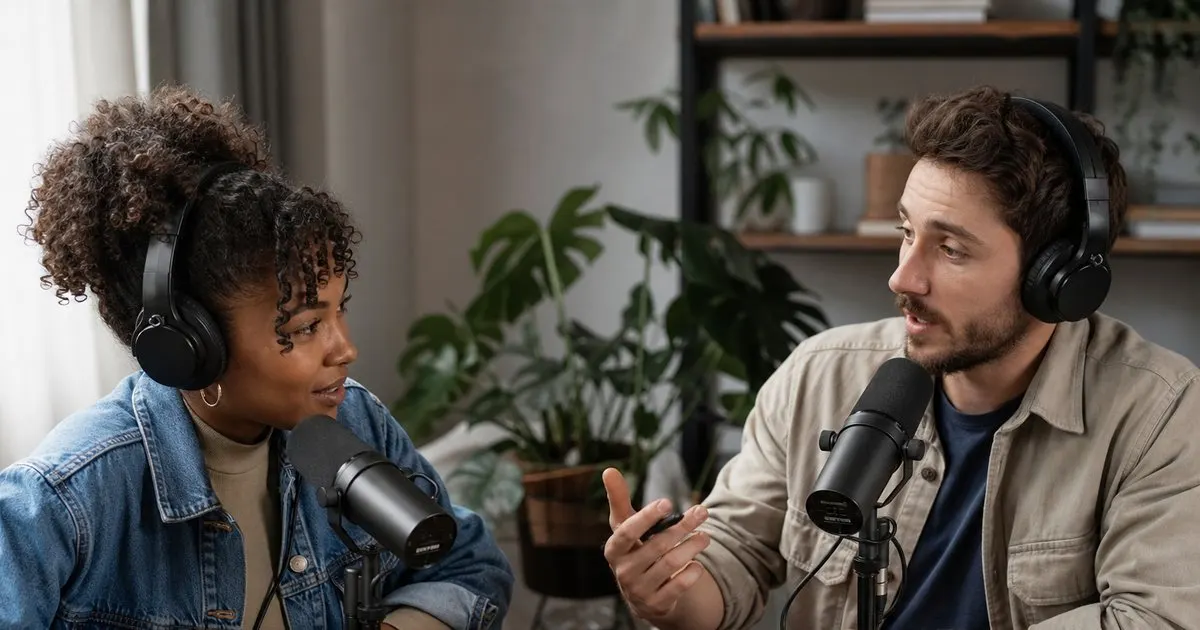
The podcaster's job is to make an audio mention memorable and actionable. That means a simple, spellable name, said twice, and a memorable reason to subscribe rather than a feature list. A specific, personal line such as 'I read this on Sunday mornings because it gives me the week's three most useful ideas in five minutes' outperforms a generic description. Put the mention where listeners are still paying attention, typically the first third of the episode, not the final seconds.
The podcaster should also put the newsletter link in the episode show notes with the same description, since many listeners check show notes when a mention catches their ear. If the show has its own email list or social accounts, a brief mention there can bridge the gap between hearing and clicking. A podcast partner who does the audio mention plus the show notes link plus one written touchpoint has offered a package that fairly matches a well-placed newsletter blurb.
Making the results readable across formats
Because the two channels report differently, agree in advance on what each side will look at. The newsletter partner can offer clicks on the episode link and, if the podcaster shares it, plays on that episode in the days after the send. The podcaster can offer a custom signup link or a simple 'where did you hear about us' question on the newsletter's signup form, which is often the most honest measurement of an audio mention.
Set expectations low and specific. Audio mentions produce a slow drip of signups over weeks rather than a spike, and newsletter links produce a burst of plays that may or may not turn into follows. Compare notes after two or three weeks, share what you saw in plain terms, and decide together whether a second round is worth it. The most successful cross-format partnerships tend to become recurring, because both sides learn what actually moves the other's audience. Related: Why Cross Promotion Works
- Podcast and newsletter audiences overlap in interest but not in habits, which is what makes the swap valuable.
- The newsletter side should link to one strong standalone episode, state its length, and consider an evergreen placement.
- The podcast side should say the name twice, give a personal reason, and back the mention with show notes and one written touchpoint.
- Agree on cross-format measurements up front and expect a slow drip from audio rather than a spike.

Julien Jimenez
Julien Jimenez is an independent software builder based in Paris. He designs, ships, and operates focused SaaS products for small businesses and independent professionals. Read the full author page.
Grow by promoting each other, matched fairly
Cross-promotion swap matcher for podcasts and newsletters. CrossPromoly is built to help you put this into practice.
Find a swapMore from the CrossPromoly blog
Why Cross Promotion Works

Finding Fair Swap Partners

Audience Fit Over Audience Size
Get the CrossPromoly playbook
Practical guides on audience swaps, straight to your inbox as we publish them. No spam, unsubscribe any time.